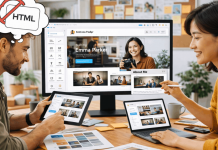

Improving a website no longer requires coding knowledge or technical expertise. No-code tools give you the power to build, enhance, and maintain your website with speed and precision.
These platforms are designed for entrepreneurs, freelancers, and small teams looking to stay efficient.
This article breaks down the most effective ways to upgrade your website using no-code solutions.

Understanding No-Code Tools in Web Development
No-code tools allow you to improve websites without writing a single line of code. They are designed to help you complete tasks visually using drag-and-drop features or simple settings.
What Are No-Code Tools?
No-code tools let you build web features using visual interfaces. They replace traditional development tasks with easy controls. Most tools work inside your browser, so you don’t need software.
Their use has expanded to include form builders, automations, payment systems, and analytics.
For people with no programming experience, this unlocks full website control. You can now improve performance and design on your own.
Core Benefits of No-Code Platforms
No-code platforms reduce dependency on developers. They make tasks faster and more cost-effective. Changes can be made quickly by anyone on your team.
Tools are also optimized for mobile, speed, and responsiveness. This leads to better user experiences. You gain flexibility while lowering development costs.
Essential Website Enhancements Using No-Code Tools
You can apply no-code tools to boost design, performance, and visitor interaction. Each feature improves a specific part of the website experience.
Design and Layout Improvements
Good design affects how long users stay and what actions they take. No-code page builders give you full layout control without complexity.
Tools like Webflow, Carrd, and Dorik help create polished websites with templates and grids. You can easily add sections, images, and animations with clicks.
These platforms also handle responsive layouts for all devices. You don’t need to edit CSS or HTML.
SEO and Performance Optimization
Search visibility starts with strong SEO practices. No-code tools like SEOptimer or RankMath (for platforms like Webflow or WordPress) let you set meta tags and optimize content.
They help you track keywords, loading speed, and broken links. Plugins can generate XML sitemaps or handle 301 redirects automatically.
Performance testing tools show where your pages lag. You can fix issues in a few clicks, boosting your site’s rank.
Form Builders and Lead Capture
Forms are essential for collecting data and generating leads. No-code platforms like Jotform, Typeform, and Tally allow you to design forms easily.
You can embed forms anywhere without touching code. They also connect with tools like Mailchimp or Google Sheets for automation.
These tools help you build email lists or gather customer insights. You also get spam protection and confirmation logic.
Interactive Elements and Widgets
Websites need interactivity to keep users engaged. No-code tools like Elfsight, Powr, and Common Ninja provide ready-made widgets.
You can add countdowns, tab menus, sliders, and testimonial sections. These elements load fast and are mobile-friendly.
You simply paste a code snippet into your builder. Everything works without editing scripts or dealing with compatibility issues.
Live Chat and Customer Support Tools
Instant communication builds trust. Live chat tools like Chatra, Tidio, or Crisp can be added without development work.
You configure the widget, copy the code, and paste it into your site. These tools allow real-time support, offline messages, and lead capture.
Some integrate with CRMs or email platforms. Visitors stay longer when they can get fast answers.
Integrating Automation Without Coding
No-code automation tools allow you to connect your website to apps and services. These connections save time and reduce manual work.
Automate Email and Notifications
You can set up automatic emails using platforms like Zapier or Make. These tools react when a user fills out a form or signs up.
They send welcome messages or confirmation notices right away. You don’t need backend development or SMTP setup.
The entire process runs in the background. Your audience stays informed with minimal effort.
Connect Your Site to External Apps
You can route form submissions to Google Sheets or Notion in real time. Automation tools connect your forms with productivity apps or CRMs.
For example, a lead can appear in Airtable or send a notification to Slack. This allows real-time tracking and better collaboration.
You gain control over your workflows without technical staff. These tools increase visibility across your systems.
Enhancing E-Commerce with No-Code
Selling online requires smooth user flows, product displays, and secure payments. No-code tools make e-commerce enhancements simple.
Store Builders and Checkout Customization
Platforms like Shopify, Ecwid, or Payhip offer no-code options for selling products. You can launch a store using pre-built templates.
Checkout forms can be adjusted without code to include upsells or shipping notes. No developers are needed to customize appearance or add product options.
These tools ensure a smooth buying experience. They’re ideal for fast store setup.
Payment Gateways and Subscriptions
You can add PayPal, Stripe, or Gumroad buttons to your site in minutes. No-code tools handle security, subscription plans, and invoicing.
Customers can pay through mobile, card, or recurring billing. Most payment tools also integrate with accounting platforms.
You get reliable transactions with fewer setup steps. These tools are trusted and widely supported.
Product Reviews, Badges, and Social Proof
User feedback and social proof help increase conversions. Tools like Fomo, Judge.me, and TrustPulse create real-time alerts and reviews.
You can show recent purchases, product ratings, or user testimonials. These widgets install easily and run without slowing your site.
They also adjust to your site’s design automatically. Shoppers trust what others say.
Boosting Engagement with Dynamic Content
Dynamic content tools help you personalize what visitors see. These enhancements improve retention and action rates.
Personalized User Experiences
Tools like LogicHop or Unless allow content to change based on visitor behavior. Returning users can see special offers, personalized text, or geo-targeted deals.
These changes do not require cookies or heavy code. You only set the rules through a visual dashboard. Personalized experiences increase relevance and trust. They also drive conversions.
Dynamic Content Updates
Content can be updated in real-time using databases like Airtable or Notion. Platforms like Pory or Softr allow you to display these updates directly on your site.
You can edit listings, catalogs, or announcements without logging into your site editor.
This method is useful for blogs, product lists, or team directories. Non-technical users can manage content easily. It simplifies routine updates.
Website Accessibility and Compliance Enhancements
Accessibility and legal compliance are essential. No-code solutions help you meet requirements fast.

ADA Compliance Tools
Tools like accessiBe or UserWay scan your site and offer fixes for screen readers, keyboard navigation, and contrast issues. These services help you meet ADA and WCAG guidelines.
Installation is simple and does not interfere with your design. You reduce legal risks while improving usability. Most updates happen automatically. They help protect your brand.
Choosing the Right No-Code Tools
Picking the right tool depends on your platform, needs, and budget. You don’t need them all at once.
What to Consider Before Adding Tools?
Check if the tool works with your current website builder. Make sure it supports responsive design and works on all devices.
Look for good documentation and fast customer support. Test features before committing. Choose tools that solve one problem at a time. Avoid feature overload.
Free vs Paid Tools
Free tools are good for basic needs. However, paid tools often unlock advanced options, integrations, and better support.
Always test free versions first. Upgrade when your traffic or goals grow. The cost is often worth it for reliability and time savings. Consider ROI before paying.
Final Thoughts: Take Full Control of Your Website
No-code tools give you real control over your site’s performance, features, and design. You don’t need to hire developers or wait for updates.
Every enhancement can be done visually and efficiently. Start with one tool at a time, and build a smarter website that works for you.