Minimalist websites stand out in today’s crowded online world. Clean layouts, restrained color schemes, and forthright navigation help users focus on what matters most. For creators, brands, or anyone seeking clarity, minimalist website templates offer an elegant path to a modern, clutter-free digital presence.
This guide is meant for bloggers, small business owners, freelancers, and anyone looking for website templates that are simple yet visually impactful. If you want a site that loads fast, communicates efficiently, and feels current, minimalism could be your best bet. Let’s look at what makes these templates so effective, which tools offer excellent options, and how to select the right minimalist template for your project.
Why Choose a Minimalist Website Template?
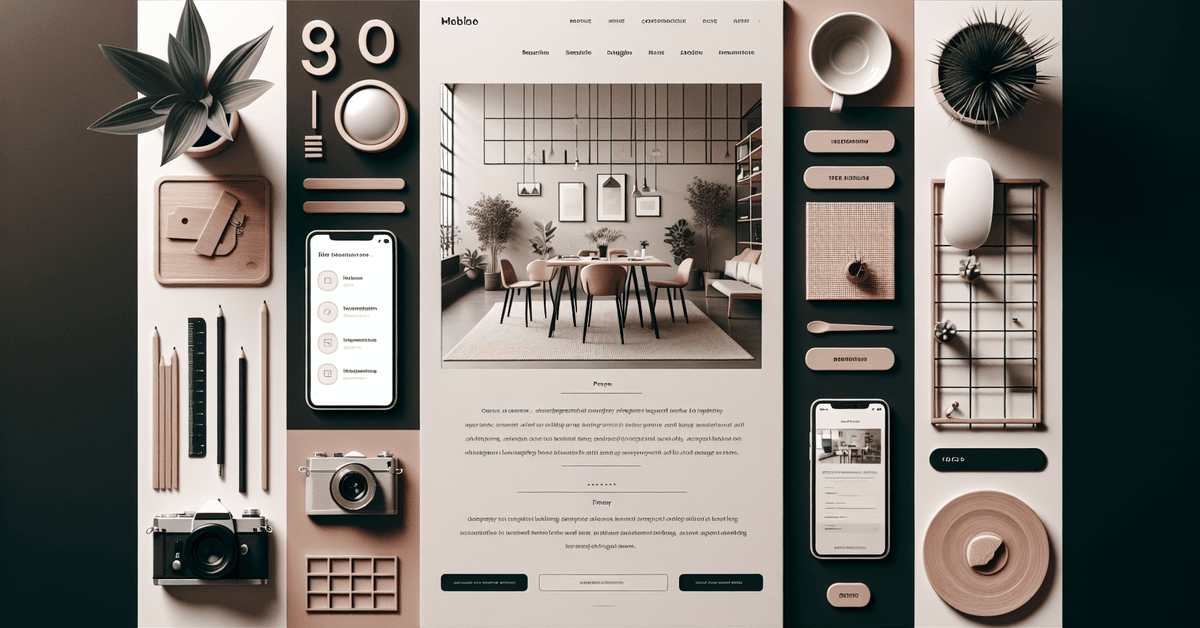
A minimalist website template isn’t just about less. It’s about purposefully prioritizing only your essentials. Here are some reasons people gravitate toward minimalist designs:
- Faster load times. Fewer elements and lighter assets mean your site appears quickly, supporting better SEO and user experience.
- Easier navigation. Simple menus and straightforward layouts help visitors find what they need with less frustration.
- Modern appeal. Trends favor minimal, open spaces that let content shine. A clean look often feels more professional and up-to-date.
- Focus on content. By cutting visual distractions, you draw attention to headlines, products, or key calls to action.
Of course, minimalism isn’t ideal for everyone or every project. If your site needs complex navigation, animations, or lots of media, consider hybrid templates. That said, for portfolios, blogs, landing pages, or business sites, going minimalist almost always pays off.
Best Website Builders and Platforms for Minimalist Templates
The right platform can make all the difference. Some website builders are especially known for their minimalist template selections . Here’s a look at a few leading choices, with quick pros and cons for each.
| Platform | Strengths | Examples |
|---|---|---|
| Wix | Wide variety, easy to customize, drag-and-drop interface | Minimal Templates |
| Squarespace | Sleek designs, responsive by default, strong on imagery | Minimal Templates |
| Webflow | Highly customizable, no-code, designer control | Minimalist Templates |
| WordPress | Huge collection (free/premium), advanced control | Minimal Themes |
| Shopify | Great for e-commerce, simple storefronts | Minimal Shop Templates |
All of the above platforms offer trial or demo options. You can usually preview a template with your own content before committing.
Key Features of Great Minimalist Templates
Not all minimalist templates are created equal. Before you select one, take a moment to check for these features. In my experience, these really separate an okay template from a great one:
- Responsive Design: Your site should look good on every device, no exceptions.
- Flexible Sections: Block-based layouts or modular content areas let you adapt pages as your needs grow.
- Typography Choices: Clean, readable fonts in reasonable sizes make a real difference.
- Fast Load Speed: Pre-optimized for performance, minimalist templates often rely on fewer scripts or heavy imagery.
- SEO-Ready: Follow structural best practices so Google (and your visitors) can find important info quickly.
- Customization Options: Even the simplest templates should let you set basic brand colors or images.
A personal preference: I like templates with some hidden flexibility—so you can start simple, but add a feature or two if you realize you need a testimonials section, a blog, or a signup form down the line.
Popular Minimalist Website Templates to Consider
Ready to see some real options? Below are a few widely used minimalist templates across major platforms. Each has its own vibe and strength; some are free, some are premium, but all are engineered for clarity and speed.
1. “Forte” by Squarespace
With its strong typography and abundance of white space, Forte is favored by creatives and portfolio sites. The layout is built to showcase photography, but it’s just as effective for text-focused blogs. It’s also mobile-ready and integrates well with Squarespace’s commerce features. You can preview it here.
2. “Clean Portfolio” by WordPress
Perhaps a bit obvious by name, but Clean Portfolio earns its spot for reliable simplicity. Homepage content blocks, minimal menu options, and quick SEO setup help sites launch quickly.
3. “Mono” on Webflow
This Webflow template has barely-there UI, minimalist headers, and animation options (sparingly applied, as any minimalist would want). It’s a good pick for agencies, independent consultants, or product teasers.
4. “Minimal” Shopify Theme
For online stores, Shopify’s “Minimal” template is a best-seller thanks to direct navigation and lightweight product displays. It won’t overshadow your products, and it’s easy to upgrade as your inventory or content changes. Explore this option here.
5. Wix “Minimal Blog”
Wix’s beginner-friendly editor lets you quickly adapt “Minimal Blog.” Great for writers or small business owners who want to keep things simple, reliable, and easy to refresh without a designer. You can view it here.
Of course, this is just the tip of the iceberg. Platforms update their template libraries frequently—what’s trending this month may change next season. Still, the basic rules of minimalism in web design rarely go out of style.
How to Select the Best Minimalist Template for Your Needs
Selection isn’t always easy. I’ve spent hours (too many, perhaps!) scrolling through template galleries, only to end up with analysis paralysis. Here’s what I’d suggest:
- Define your main goal. Is it to sell, showcase, inform, or connect? Let this lead your template search.
- Try before you buy. Most platforms offer demos—test with your own logo, a headline, and key images. You’ll often “feel” right away if it’s a match.
- Check loading speed. Run a quick Google PageSpeed test. Even minimal templates can get weighed down with large images or scripts.
- Review for SEO features. Does it have good heading structure, metadata support, and easy sitemap creation?
- Verify support and updates. Free templates are fine, but premium options usually mean faster bug fixes and better help if you get stuck.
And, every so often, trust your instincts. Sometimes a template just “clicks” with your brand or message. Don’t overthink—start building, then refine as you go.
Best Practices for Launching a Minimalist Site
Once you’ve chosen a template, a few simple practices ensure your site stays true to the minimalist vision—function over fuss, always:
- Avoid unnecessary plugins or widgets that clutter your pages.
- Use consistent, high-contrast typography for maximum readability.
- Stick to a limited color palette—two colors, maybe three if it fits your brand.
- Prioritize essential content; ask yourself if each page element serves a purpose.
- Test navigation with friends or colleagues; if it’s complicated, simplify.
Visuals can help here. Placeholders for banners, hero images, or product shots should all have space to breathe. A clean screenshot or a before/after slider (compare overloaded and minimalist versions) could be useful additions for maximizing engagement. Consider embedding a simple table comparing template features, too.
Related Tools and Resources
Minimalist sites pair well with no-code builders , landing page generators , and image compression tools . For more advanced needs, check out our guides on SEO for beginners or improving website performance . And, if you ever feel stuck, most platforms have robust support forums or designer marketplaces for extra help.
Conclusion: Build with Intention, Launch with Clarity
The right minimalist website template does more than look good. It creates space—literally and metaphorically—for your content and your vision to stand out. Whether you prefer a free template or a curated premium design, the core benefits remain: faster sites, happier users, and an unmistakably modern look.
Ready to get started? Explore the platform links above to try some minimalist templates for yourself . Streamline your web presence, emphasize what matters, and experience the clarity that comes with simplicity. When you’re ready for the next step, check out our in-depth reviews of top website builders or our guide to maximizing AdSense earnings with streamlined design . Simplicity, after all, often leads to success—online and off.