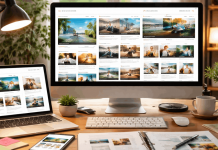

Creating an impressive portfolio site today means balancing design, speed, and usability. The best approach is to use website templates for portfolio sites that offer structure and modern design.
Whether you’re a designer, developer, or freelancer, the right template helps highlight your work fast.
This guide breaks down the top template choices on Webflow, Wix, and WordPress to help you get started.
What Defines a Modern Portfolio Template in 2026?
A modern template should load fast, look clean, and adapt to mobile users. Many professionals are now choosing minimal layouts with bold visuals and fast navigation.
Templates that include built-in animation, smart sections, and dark mode options dominate in 2026. Accessibility, SEO structure, and visual hierarchy matter more than fancy effects.

It’s no longer about just looking good; it’s about being clear and conversion-ready. Templates must work with no-code tools and page builders smoothly.
Comparing the Three Platforms
Each platform has strengths depending on your goals. Webflow is ideal for those who want full control of design and code structure.
Wix focuses on drag-and-drop ease and all-in-one simplicity. WordPress remains the most flexible option with its vast library of plugins and themes.
You’ll need to choose based on how much you want to customize and maintain. While all three support beautiful templates, not all offer equal freedom or scalability.
Webflow Pros and Cons
Webflow gives professionals total layout freedom. You can customize breakpoints, animations, and CMS collections. However, it has a steeper learning curve for beginners.
Wix Pros and Cons
Wix is easier to learn and lets you get a site up quickly. It offers a wide library of polished templates, but it can feel limiting if you want deeper customization.
WordPress Pros and Cons
WordPress is plugin-rich and endlessly adaptable. It works well with builders like Elementor or Divi, but maintenance and security take more time.
Top Webflow Portfolio Templates to Consider
All these templates offer full customization and adapt well to mobile and tablet. They also let you showcase content using dynamic lists and lightboxes.
- Webflow is for serious creators who want control. These templates offer design precision and professional layout flexibility.
- Lumen is ideal for photographers and visual storytellers. It has large galleries, interactive sliders, and bold headline areas.
- Studio X suits agencies and designers who want a structured layout with CMS features.
- FolioFlow is perfect for freelancers who want a simple scroll layout with clean fonts and micro-interactions.
Best Wix Templates for Showcasing a Portfolio
Wix works well for beginners who still want to look polished. These templates are quick to deploy and visually refined.
- Freelance Showcase uses a one-page layout and integrates video, testimonials, and projects.
- Modern Portfolio focuses on simple blocks, bold fonts, and light animation for easy scanning.
- Agency Hub suits studios with multiple team members and project categories.
All Wix templates are responsive and include easy form sections and gallery widgets. Wix ADI also lets you tweak the layout with no design background.
WordPress Templates That Stand Out in 2026
WordPress remains flexible if you need power and plugins. These templates balance visual style and compatibility with top builders.
- Astra + Elementor Portfolio is light, modular, and easy to adjust. It supports portfolios, blogs, and case studies.
- OceanWP Artist Theme works for creatives who want built-in gallery, testimonial, and resume blocks.
- Divi Portfolio Pack allows full control over layout using Divi’s drag-and-drop editor.
These templates support WooCommerce, SEO plugins, and mobile testing tools. They scale well if you plan to grow your site or add blog content later.
Factors to Help You Choose the Right Template
There’s no one-template-fits-all approach. Your ideal template depends on your goal, audience, and skill level. If you want total control, Webflow is great.
For easy setup, go with Wix. If you want long-term control and plugins, WordPress is best.
Evaluate how much effort you want to put into setup, updates, and edits. Also check what integrations you need—like contact forms, blogs, or booking tools.
Key Design Elements That Matter
Design should support—not distract from—your work. These tips help you choose templates that stay focused and modern.

- Choose clean layouts with ample white space and readable fonts.
- Limit the number of featured projects to your top work.
- Make sure the site loads fast and includes a mobile-first design.
- Include clear call-to-action buttons like “Hire Me” or “View Full Project.”
- Add testimonials, case studies, and resume links without clutter.
Template Use Cases Based on Career Type
Different careers require different layout approaches. The examples below highlight smart template matches.
For Photographers
Use templates like Lumen (Webflow) or OceanWP Artist (WordPress) with full-screen image blocks and lightboxes.
For UX/UI Designers
Templates like Studio X (Webflow) or Divi Portfolio (WordPress) offer flexibility and multiple section types.
For Freelancers and Writers
Wix templates like Modern Portfolio offer clean text presentation with CTA buttons and contact forms.
Features to Look for in 2026 Templates
Modern portfolio templates now offer more smart integrations. Here’s what’s becoming standard in 2026.
- Dark/light mode toggles that adapt to user preferences.
- AI-generated content suggestions within builder tools.
- Built-in SEO schema markup and performance metrics.
- AR and 3D-ready sections for product or demo previews.
- Smart galleries with video, PDF, and animation support.
Choose templates that offer future-ready features even if you won’t use them immediately. This makes your site more adaptable.
Common Mistakes to Avoid
Don’t overthink the visuals and forget the user. A flashy layout can ruin usability.
- Avoid templates that load slowly due to heavy video or animation.
- Skip cluttered designs that hide your most important content.
- Don’t choose templates with locked sections that are hard to edit.
- Ignore templates with poor mobile performance.
- Avoid themes with no support or regular updates.
Always preview the demo site on desktop and mobile. Test the navigation and scrolling before you commit.
Final Thoughts to Help You Decide
The best website templates for portfolio sites in 2026 are fast, mobile-ready, and tailored to your audience.
Whether you go with Webflow, Wix, or WordPress, focus on usability, speed, and visual clarity.
Skip over-designed templates that hide your work. Let your projects speak clearly and make it easy for people to contact you.