Building a blog or personal site today is fast and simple. You don’t need coding skills or complex tools to begin.
Website Builders for Blogs and Personal Sites offer templates, hosting, and design tools in one place. This guide helps you compare options and choose the right one for your needs.
What Website Builders Actually Do?
Website builders are designed to simplify site creation for non-coders. They remove the need to manually write HTML or install complex CMS systems.
You just sign up, pick a template, and start customizing pages. This makes them ideal for building blogs and personal sites.
Most builders come with drag-and-drop editors, allowing you to rearrange content blocks easily. Many include responsive design, which ensures your site looks good on mobile and desktop.
Why Bloggers and Personal Brands Use Builders?
If you’re building a personal brand or blog, speed and ease matter. Website builders are the fastest route to publishing without hiring a developer.
They offer more customization and ownership than social platforms. You can publish blogs, create galleries, or add a portfolio in just a few clicks.
It’s also easier to build a mailing list or connect your site to social media. Unlike platforms like Instagram or Medium, you actually own the content and design. That means fewer limitations and more control over monetization or branding.

Best Website Builders to Consider
Here are five popular website builders commonly used by bloggers and personal site creators:
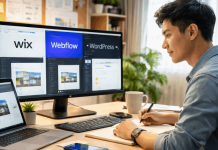
- WordPress.com – Offers extensive blogging tools, plugin support, and powerful customization for long-term creators.
- Wix – Provides a user-friendly drag-and-drop editor, with flexible blog templates and quick deployment options.
- Squarespace – Known for its sleek, image-focused templates and excellent design control for creative portfolios.
- Weebly – A straightforward platform with basic blogging features, ideal for beginners or hobby users.
- Ghost – Built for serious writers, with a clean interface and built-in tools for memberships and newsletters.
Each of these builders offers a different strength, so your ideal choice depends on how you plan to publish and grow.
Key Features That Matter Most
A good website builder should focus on speed, flexibility, and essential blog functions. Your content must look clean, load fast, and be easy to manage.
This section highlights the features that actually affect your experience. You’ll want access to template libraries that fit your style or brand.
Check for a responsive editor that adapts across devices. Look for built-in blog features like post scheduling, tagging, and archiving. SEO tools such as meta titles and mobile optimization are also important.
How Free and Paid Plans Compare?
Website builders usually offer both free and paid plans. Free plans are helpful to get started, but they come with limits. If you’re serious about building a personal brand, upgrading is worth considering.
Free plans often include a subdomain, basic templates, and a small amount of storage. However, they usually show the builder’s branding on your pages.
Paid plans unlock a custom domain, more bandwidth, and extra design options. You also get advanced support and can remove ads. Some builders also add e-commerce, email marketing, or analytics under premium tiers.
Step-by-Step: How to Launch Your Site
Starting your blog or site is easier than ever. You don’t need to install anything or connect multiple services. Most platforms guide you from setup to launch.
Begin by creating an account with your chosen builder. Select a template that matches your purpose, whether it’s writing, portfolio, or biography.
Customize the site with your own colors, fonts, and layout choices. Add important pages like a homepage, blog, about section, and contact form. Once you’re done previewing, hit publish and go live.
No-Code Platforms Make Scaling Easy
One of the biggest benefits of no-code builders is scalability. You don’t need to rebuild your site when your goals grow. Most platforms let you layer new tools as needed.
You can start with a blog and later add a newsletter, store, or appointment bookings. Features like form builders, email marketing, and pop-ups can be integrated easily.
Some platforms also support digital products or gated content. That way, your site evolves with your content or audience. It’s all done visually, without editing backend code.
Common Pitfalls to Watch Out For
Even with easy builders, there are common mistakes that can reduce your site’s impact:
- Ignoring mobile optimization – Not previewing or adjusting for mobile can lead to poor user experience and SEO loss.
- Adding too many widgets – Excessive plugins and animations can slow your site and distract readers.
- Skipping SEO setup – Leaving meta titles, alt tags, and structured URLs blank can reduce visibility in search engines.
- Using default or placeholder content – Forgetting to delete demo pages or images can make your site look unprofessional.
- Inconsistent updates – Neglecting to add new content regularly may cause your site to lose traction and relevance.
Avoiding these mistakes ensures your blog or site performs smoothly and maintains credibility from day one.
When a Website Builder May Not Be Enough?
Website builders are great, but they’re not for every stage. At some point, you may need more control or custom features. This usually happens when your site or audience scales beyond basic tools.
If you need advanced integrations, a custom CMS may serve better. Some outgrow builders due to performance limits or third-party plugin needs.
In that case, you can migrate your content to platforms like WordPress.org. Most builders offer export tools to make that easier. You can also keep your domain while shifting platforms.
Tools That Pair Well With Your Site
You can improve your blog or personal site by using external tools. These apps help you write better, market faster, or plan content efficiently. Pairing them with your builder can speed up growth.
Use Grammarly or Hemingway to improve clarity and grammar in blog posts. Design graphics with Canva for social sharing or featured images.
Plan your publishing calendar with tools like Notion or Trello. Add Google Analytics or connect to email tools like Mailchimp. All of these work well with most builders and improve your workflow.
Blogging vs. Personal Website Use Cases
There are differences between running a blog and building a personal website. Both benefit from using website builders but have different goals and structures. Knowing what you need helps you choose a better setup.
Bloggers focus on content publishing, so they need strong post management tools. Categories, tags, scheduling, and RSS feeds matter. Personal websites are usually more static, showcasing portfolios or bios.
Builders with gallery sections or flexible homepage layouts work best here. If you want both, choose a hybrid template that includes blog features and static sections.
Custom Domains and Branding Basics
Branding plays a big role in creating a credible blog or personal website. Custom domains are the first step toward a professional presence. You don’t want to keep a subdomain forever.
Builders usually let you connect or purchase a custom domain in a few clicks. Make sure your domain matches your name, blog title, or niche. Use the platform’s branding tools to update your favicon, header, and footer.
Pick a consistent color scheme and font pairing to reflect your personal style. With the right setup, your blog or site will feel polished and owned by you.
Final Thoughts: Build Without Barriers
You don’t need technical skills or outside help to launch a personal site or blog. Modern platforms remove complexity and let you focus on content and layout.
Website Builders for Blogs and Personal Sites give you the tools, templates, and hosting in one place. The right choice helps you publish confidently and grow at your own pace.