

A personal brand site is a small home base that you control, even when social platforms change.
It usually needs a clear message, a clean design, and a simple way to publish updates.
The best website builder for personal brand work depends on how you balance speed, control, and content.
What Personal Brand Sites Need Before You Pick a Builder
Personal website branding works best when your headline, visuals, and “about” page match the same story.
A personal brand website builder should make it easy to publish a bio, portfolio, and contact page.
Your layout should prioritize proof, like projects, testimonials, writing samples, or a media kit.
Your builder choice should also support a custom domain, basic SEO settings, and fast loading.
Squarespace: Template-First Personal Brand Sites That Look Polished
Squarespace is built around designer templates that fit portfolios, blogs, and one-page intros.
It works well when you want a cohesive style quickly, with minimal design decisions.
It supports common personal brand pages, such as work, services, scheduling links, and a simple store.
It is often chosen when visual consistency matters more than deep customization.

Best for
Squarespace fits creators who want personal brand sites that feel consistent across every page.
It helps when you prefer selecting a template and refining sections instead of starting from a blank canvas.
It works for portfolios and blogs that need a clean design without heavy setup.
Watch-outs
Squarespace is less flexible if you want highly custom layouts beyond its template structure.
It can feel limiting if your personal brand builder plan depends on unusual page logic or custom apps.
It works best when you accept its design system and focus on strong content and images.
Wix: Flexible Editing for Personal Brand Websites With Many Page Types
Wix offers multiple ways to build, including templates and an AI-based starting flow.
It is a common personal brand website builder choice because it supports many site styles in one platform.
It also has a large template library that can fit a creator site, consultant profile, or personal portfolio.
It can be a practical pick when you want flexibility without learning advanced design tools.
Best for
Wix works well when your best website builder for personal brand needs includes many sections and frequent edits.
It fits personal brand sites that mix services, booking links, blog posts, and landing pages.
It is useful when you want a fast start and then want to adjust layouts with a visual editor.
Watch-outs
Wix’s flexibility can make consistency harder if you change layouts often without a style plan.
It helps to define your fonts, colors, and section spacing early to protect personal website branding.
Some advanced features may require paid upgrades, so review plan limits before committing.
WordPress.com: Content-Led Personal Brands Built Around Publishing
WordPress.com is structured for publishing, with hosting included and a block-based editor.
It supports personal brand sites that grow over time through articles, newsletters, and evergreen pages.
It also offers a large theme library, which helps you find a look that matches your niche.
It is often used when writing and SEO are central to the personal brand builder strategy.
Best for
WordPress.com fits personal brand sites where your blog, insights, or case studies are the main proof.
It works when you want structured content like categories, tags, and a long-term publishing archive.
It can support a simple “start free” approach while you validate your message and audience.
Watch-outs
WordPress.com plan features vary, so confirm what you need for domains, themes, and advanced tools.
A theme-based approach can take time if you keep switching designs instead of refining one direction.
It performs best when you treat the site like a publishing system, not just a single landing page.
Webflow: High Control for Distinct Personal Website Branding
Webflow combines visual design tools with built-in CMS and managed hosting options.
It is used when you want personal brand sites that look different from standard template layouts.
It can support dynamic content like projects, writing, and collections that update consistently.
It is a strong option when your brand depends on a unique layout and precise design choices.
Best for
Webflow works for creators who want control over spacing, typography, and responsive behavior.
It fits personal brand website builder needs when you plan a portfolio grid, case study system, or content library.
It is useful when you want structured CMS content but still want pixel-level design control.
Watch-outs
Webflow can take longer to learn than template-first builders, especially for first-time site owners.
It is easier when you start with a clear sitemap and a small set of reusable components.
It works best when you treat the site as a designed system, not a set of unrelated pages.
Framer: Fast, Modern Sites for Simple Personal Brand Pages
Framer positions itself as a no-code website builder with design freedom and built-in SEO settings.
It is often used for crisp personal brand sites that focus on a strong hero section and a clear pitch.
It supports CMS-style content and a marketplace of templates that can speed up first drafts.
It can be a practical personal brand builder choice when you want a modern look with quick publishing.
Best for
Framer fits portfolios and personal websites that need quick iteration and clean presentation.
It works when you want to publish quickly, then refine layout and messaging based on feedback.
It supports custom domains through site settings, which matters for professional personal website branding.
Watch-outs
Framer plan limits and custom domain requirements can affect budgeting, so check pricing details early.
It is best when you keep your information architecture simple, like one main page plus a few support pages.
If you need complex integrations, confirm what the marketplace and native settings can cover first.
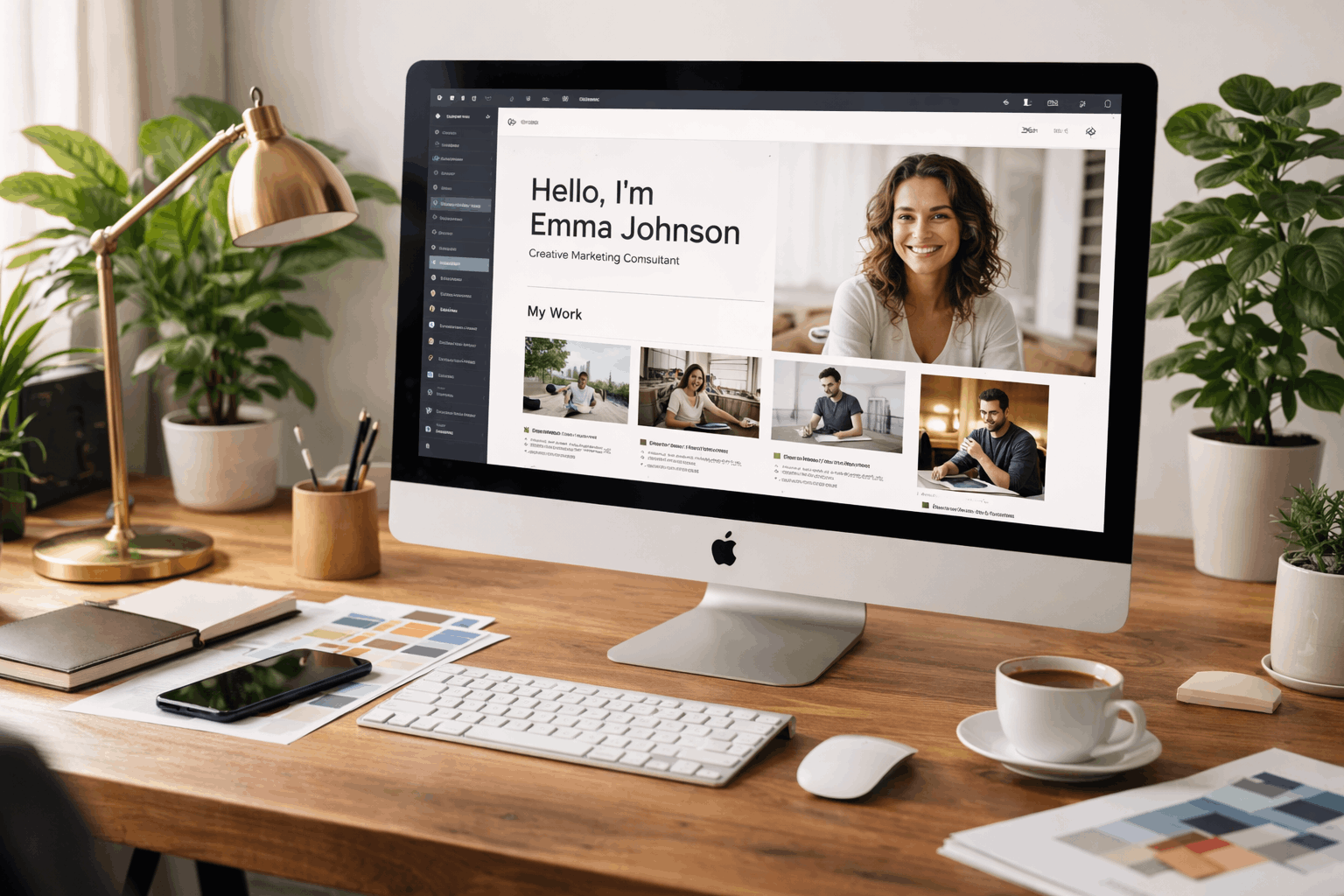
How to Choose and Launch Your Personal Brand Site
Start by choosing your core goal, like “get inquiries,” “show proof,” or “publish insights,” and build around it.
Pick the personal brand website builder that matches how you work, not just the nicest demo template.
Use one strong homepage message, one proof section, and one clear next step to reduce decision fatigue.
Treat your first version as a baseline, then improve it with real audience feedback and analytics.
Conclusion
A strong personal brand site is usually the result of clear positioning, not endless features.
Squarespace and Wix can support fast launches, while WordPress.com, Webflow, and Framer support different growth paths.
If you want the best website builder for personal brand work, choose the one you will actually maintain weekly.