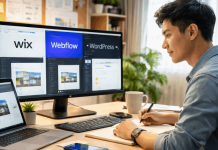
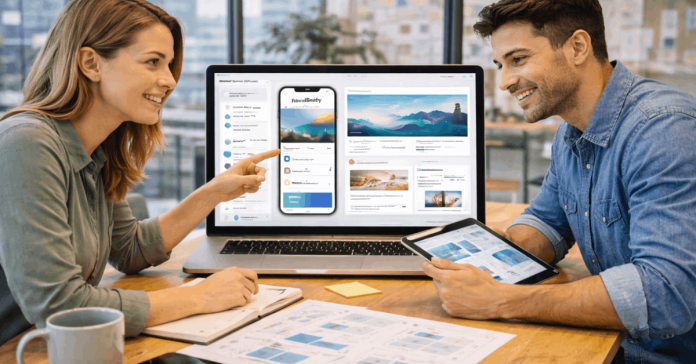
Creating a website used to require coding skills, expensive developers, or complex software. Now, website builders that require no coding let you build your own online presence easily.
These tools are designed for beginners and non-technical users. In this guide, you’ll learn what they are, which ones to try, and how to choose the right one.
What No-Code Website Builders Really Offer?
These platforms are designed to remove all technical barriers. They give you ready-made tools so you can launch quickly and manage everything on your own.
They come with pre-built templates, drag-and-drop editors, and automatic mobile responsiveness. You don’t need to worry about design or code.
Everything is visual, and you can preview your changes in real-time. Many builders also include hosting and support.

Key Features You Should Expect
Every no-code platform comes with basic tools that help you design and publish your site fast. Here’s what you should look for.
They usually offer built-in templates and layout blocks. Most allow you to edit content directly on the page. You’ll find SEO tools, analytics, and even e-commerce functions built in.
Mobile optimization is typically automatic. Hosting and custom domain options are often included.
Best Builders to Try First
Start with a tool that matches your needs. Here are the most popular choices that work without any coding.
Wix
Wix offers full customization through drag-and-drop tools. It supports blogs, portfolios, and online stores.
Templates are modern and mobile-friendly. Beginners find it easy to use.
Squarespace
Squarespace is ideal for creative professionals. Its templates are sleek and minimal.
It supports blogging, e-commerce, and scheduling tools. Editing is smooth with real-time previews.
Webflow
Webflow provides advanced control while keeping things no-code. It suits designers who want pixel-perfect results.
You can build interactions and animations visually. Hosting and CMS features are strong.
Common Use Cases for Beginners
People use no-code builders for many types of sites. These platforms work across industries and goals.
Some build personal portfolios or blogs to share their work. Others create online shops with tools like Shopify or Weebly.
Coaches, consultants, and freelancers build service pages and landing pages. Event planners and nonprofits often use these tools for one-time campaigns.
Benefits and Limits to Understand
These builders are powerful, but they’re not for every situation. Here’s what they do well—and where they fall short.
They are fast, affordable, and easy to use. You can launch a site in hours, not weeks. Updates are instant and don’t need developer help.
However, customization has limits. You can’t always change every element. Also, exporting your site to move it later is often difficult.
Choose Based on Your Needs
Different tools work better for different people. Take time to compare before committing.
Start by defining your site goals. Do you want a blog, store, or just a landing page? Choose a builder with templates that fit your vision.
Check the pricing and whether it includes domain and hosting. Look into customer support and learning resources, too.
Two Areas to Compare: Pricing and Flexibility
Here are two key areas you must focus on before choosing a platform. These factors affect the site’s future performance and your satisfaction.
Pricing Options
Some tools offer forever-free versions. Others require monthly subscriptions. Pricing depends on features such as storage, bandwidth, and e-commerce support. Always read the limits before choosing.
Flexibility for Growth
If you plan to scale, flexibility matters. Can you change templates later? Is there room to add custom code or external apps? Choose a platform that supports growth.
How to Get Started With No-Code Tools?
Getting started is simple if you follow a structured approach. These steps will help you publish your first site fast.
- Pick a builder that aligns with your site goals and project type.
- Choose a template that closely matches your vision and layout preferences.
- Replace demo content with your own text, images, and branding.
- Customize design elements like colors, fonts, and headers to reflect your style.
- Preview your site on mobile and desktop views for layout adjustments.
- Publish the site once you’re satisfied with the structure and content.
Real-World Scenarios That Work
These examples show how users take advantage of no-code platforms. You can do the same.
A freelancer can build a one-page portfolio using Carrd. A small shop owner uses Wix to open an online store.
An artist shares work using Squarespace’s gallery blocks. Event organizers build landing pages using Strikingly. These are fast solutions that don’t require tech support.

Outgrowing a No-Code Platform
Some users eventually reach the limits of no-code platforms. This section covers the key signs that it’s time to switch.
You Need Backend Control
Some websites require advanced backend features. No-code tools don’t provide access to databases or server logic.
Dynamic content and secure logins often need full development control. Switching to a custom-coded setup solves these limitations.
Advanced SEO Requirements
Basic builders fall short for technical SEO needs. They may not allow schema markup or custom scripts.
Search-driven sites require full access to HTML and metadata. WordPress or similar CMS options handle this better.
Custom Integration Demands
Businesses often depend on CRMs, APIs, or custom tools. Most no-code builders support only a limited number of plugins.
Deep integrations require development flexibility. Custom code platforms make this possible.
Working With a Development Team
No-code tools restrict collaboration at the code level. Developers need access to version control and staging.
Open frameworks like Laravel offer these tools. That’s why dev teams move away from no-code.
Performance and Hosting Optimization
As traffic grows, performance matters more. No-code builders don’t give access to caching, CDN, or server tuning.
Custom platforms allow full hosting control. This improves speed and scalability.
A Final Word on Choosing Wisely
Using website builders that require no coding lets you launch fast and manage everything without tech skills. But choosing the wrong one can slow you down later.
Think about long-term goals before committing. Start simple, but pick a builder that can grow with your site.