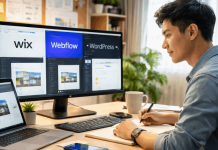

Small projects work best with tools that are easy to use and quick to set up. You don’t need complex platforms to get your ideas online.
This article will guide you through the best website builders for small projects based on features, speed, and cost. Whether it’s for a profile, landing page, or business intro, you’ll find the right fit here.
What Makes a Website Builder Ideal for Small Projects?
Not all website builders are designed with small-scale use in mind. You need practical tools that are affordable, fast, and easy to manage.

A good builder for small projects should focus on ease of use, giving you full control without technical complexity. Affordability matters, especially for temporary or single-use websites.
You also want customizable design templates that work on any device. The best options let you launch quickly and still provide customer support if needed. Avoid builders that push enterprise-level features when your needs are basic.
Top 5 Website Builders for Small Projects
There are plenty of platforms, but only a few stand out for smaller goals. The tools below combine simplicity, speed, and affordability.
Wix
Wix is popular because it’s flexible and beginner-friendly. It uses a drag-and-drop interface and offers hundreds of free templates.
You can easily build business cards, portfolios, or event pages without coding. The free plan includes Wix branding, but paid versions allow domain connection and more tools.
Wix also includes app integrations and marketing features. This makes it scalable if your project grows over time.
Carrd
Carrd is ideal for one-page websites and minimal projects. It focuses on speed and design over features you may not need.
You can publish a landing page, profile, or link-in-bio site in minutes. Carrd is affordable, with free and low-cost pro plans that include custom domains and forms.
Its editor is smooth and distraction-free. For quick setups, Carrd is one of the best lightweight options.
Strikingly
Strikingly targets mobile-first, one-page sites that still look polished. It’s great for personal resumes, small event announcements, or quick business intros.
It supports forms, simple stores, and basic analytics. The interface is beginner-focused and the template designs are modern.
While it has fewer customization tools, it’s strong where simplicity is needed. You can even launch a small ecommerce site in minutes.
Zyro
Zyro, backed by Hostinger, is a newer website builder with AI tools. It provides features like logo makers and automatic content generation.
Zyro works well for small businesses that want to get online fast. Templates are clean, responsive, and easy to edit.
Plans are cost-effective, and hosting is included. For practical websites with minimal manual work, Zyro saves time.
Webflow
Webflow blends no-code building with high design flexibility. It’s better for users who want more control without going into full development.
You can visually design and structure the page, while still benefiting from CMS features. It’s more advanced than Carrd or Strikingly, but still usable for small creative projects.
If you want a professional portfolio with full responsiveness, Webflow delivers. It takes more learning but offers much more freedom.
When to Use Each Builder?
Different tools suit different goals. Choosing the right one depends on your project type and your experience level.
Best for Personal Use
If you need a site for your personal brand, Carrd and Strikingly are ideal. These builders focus on simple layouts, mobile performance, and fast setup.
You can launch a one-pager or digital business card without any technical friction. Templates are pre-optimized for common formats like resumes and portfolios.
They also include forms and analytics in higher plans. Personal users benefit from low costs and easy updates.
Best for Small Business
Wix and Zyro offer more tools suited for local services and small businesses. They provide appointment forms, maps, and marketing integrations.
You can build a presence online without hiring a designer. Hosting is included, and most templates are optimized for desktop and mobile.
They also offer SEO tools to help your site appear in search results. These features matter if you’re using the website to attract customers.
Best for Designers
Webflow gives designers the freedom to go beyond pre-made blocks. It supports visual CSS-style editing, grid layout, and animation.
Designers can create stunning small-scale sites without writing code. It also supports CMS features for repeatable content.
If you’re working on a client project or creative showcase, Webflow allows total control. It’s the best pick for visually focused small websites.
How Small Is “Small Project”?
Understanding the scope of your website helps you pick the right tool. A small project typically refers to something temporary or single-purpose.
You may be creating a landing page for a campaign or a personal site to share contact info. Other examples include event RSVP pages, online portfolios, or a one-page product display.
These projects don’t need blogs, ecommerce, or user accounts. They also don’t need frequent updates or plugins. A builder that allows fast setup with minimal configuration fits best.
Pros and Cons of Lightweight Builders
Lightweight builders are efficient, but you give up some flexibility. It’s important to know what you’re gaining and what you might miss.

Pros
These platforms make setup quick and accessible, often without cost. Templates are ready-made, and you don’t need technical skills.
Hosting and security are included, reducing setup complexity. Most tools offer live previews, so you know what you’re building.
You can maintain a site on your own without hiring help. For small projects, this speed and independence are key advantages.
Cons
You may face limitations in layout control, advanced functions, or integrations. Free versions often include branding or lack domain options.
Some builders don’t allow data export, locking your content to the platform. If you later want to grow your site into a full project, migration can be difficult.
Support levels may vary, especially with free plans. Finally, templates might look similar across users, affecting uniqueness.
Key Features to Look for in a Small-Scale Website Builder
When your project is small, only certain features matter. You don’t need everything—just the basics that ensure it looks good and works well.
Choose a platform that has mobile-responsive templates so your site looks right on all devices. Look for easy editing tools with drag-and-drop or visual blocks. You’ll also want basic form support for contact or feedback.
Some platforms include analytics or integrations with Google Analytics for simple tracking. Hosting and SSL security should be part of the plan. Backup options and content export are bonuses but not required.
Do You Need a Custom Domain?
A custom domain gives your project a professional appearance. It’s not mandatory, but it helps with trust and clarity.
Most free builders assign subdomains like yourname.wixsite.com. That works for personal use but looks less credible in business.
A custom domain costs about $10–15 per year, and some paid plans include one for free. Connecting a domain also helps if you want branded emails. For long-term or public projects, getting your own domain is worth it.
What About Mobile Editing?
Editing from a mobile device is helpful if you’re updating on the go. Some platforms support this better than others.
Wix and Strikingly both have mobile apps for editing and tracking site activity. Carrd sites can be edited from mobile browsers with ease.
Webflow and Zyro perform best on desktop, with full functionality available only on larger screens. Mobile editing is useful for quick changes or monitoring form submissions.
Maintenance and Updates: What to Expect
Even small websites require occasional maintenance. Don’t assume you can forget about them after publishing.
Check your site’s mobile layout and speed monthly to ensure performance. Update any text, pricing, or links if your content changes. Make sure your domain and SSL certificate are still active.
Review analytics to see what’s working or if visitors drop off. Use form submissions or inquiries to measure engagement. Keeping a small site fresh improves trust and visibility.
No-Code vs Drag-and-Drop: Which to Choose?
These two terms often overlap, but there’s a difference. Your experience level and goals should guide your choice.
Drag-and-drop builders like Wix or Zyro are great for beginners. You don’t need to understand design or structure. No-code platforms like Webflow give you more flexibility and logic but require more learning.
If you want to scale later or experiment with layout control, no-code is the better choice. For basic landing pages or personal sites, drag-and-drop works best.
Choose Smart, Build Fast
You don’t need a complex platform to build a clean and functional site. The Best Website Builders for Small Projects focus on simplicity, control, and speed.
Choose a builder that matches your goal and your technical comfort level. Small projects work best when the setup is focused, efficient, and stable.