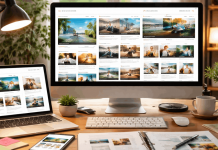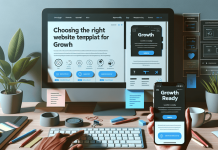

Website templates offer a faster way to get online without designing from scratch. The idea behind website templates for fast launches is to use pre-built layouts that minimize setup time.
Whether you’re building a personal site, a portfolio, or a simple blog, templates give you structure and style instantly. This article covers what they are, how they work, and where to find the best ones.
What Website Templates Are and Why They Matter?
Templates are pre-built designs that remove guesswork. They include layouts, styling, and functional components ready to edit. Most platforms offer visual editors, so you don’t need code.
They help reduce time-to-launch and eliminate technical hurdles. You can swap content, change images, and launch quickly.
Most templates are optimized for responsiveness and SEO. This reduces the need to handle mobile setups or technical tags. Templates focus your time on what matters—publishing.

Benefits of Using Website Templates
Website templates come with built-in advantages. The right template helps you start confidently and avoid beginner mistakes.
Templates save hours of setup and design time. You don’t have to figure out page structure or styling rules.
Most templates are responsive and mobile-ready by default. This avoids issues with layout on small screens.
Many templates follow modern UX design. That means better user experience without deep design knowledge.
Some templates include SEO elements like meta tags and optimized image placements.
Choosing the right template gives you a strong base. You just replace content instead of building from scratch.
Types of Templates That Launch Faster
Some templates are designed specifically for quick launches. Choosing these gives you fewer adjustments to make.
One-Page Templates
These focus all your content on a single scrollable page. They’re ideal for simple portfolios, MVPs, and landing pages.
Navigation is minimal, and setup is fast. Many platforms like Carrd and Wix specialize in this layout.
Niche-Specific Templates
These are designed for a specific industry, like restaurants, coaching, or retail. They come with relevant blocks like menus or service listings.
You spend less time customizing content. These are best when your needs match the template niche.
Minimal Layout Templates
Clean and basic templates load faster and need fewer edits. They’re often used by tech startups or freelancers.
These templates reduce distractions and focus on core content. They’re easy to customize with your own brand style.
Platforms That Offer Speed-Focused Templates
Not all platforms make launching easy. The right one gives you templates optimized for speed.
Carrd
Carrd specializes in one-page sites. Its templates are minimal, responsive, and fast to edit. You can build landing pages in under an hour. It’s great for personal sites or product showcases.
Webflow
Webflow templates offer flexibility with visual design tools. You get responsive layouts and dynamic CMS features.
Webflow is ideal for creators who want control while still launching quickly. Many templates are scalable for future expansion.
Wix
Wix gives a variety of drag-and-drop templates. Setup wizards help guide you through launch steps. It’s good for users who want creative freedom. Most templates include helpful onboarding instructions.
Squarespace
Squarespace templates focus on elegance and speed. It’s popular for photographers, consultants, and small businesses. You edit within styled blocks. Customization is smooth without technical steps.
Softr
Softr turns Airtable data into websites. You use pre-built blocks and sections. This works well for internal tools and app-like websites. Templates are structured for functionality more than looks.
Why Templates Are Faster Than Building From Scratch
Templates save time by reducing setup tasks and technical design steps. This section explains why templates enable faster deployment than building from scratch.
Pre-Built Layout Structures
Each template includes a base structure with headers, footers, layout grids, and responsive sections. You don’t need to manually build page components from scratch.
This eliminates layout testing and speeds up editing. The structure works right out of the box.
Visual Editing Over Coding
Templates allow you to use visual editors instead of custom code. You can drag and drop components and adjust text or images directly.
This reduces technical effort and launch delays. Many platforms support real-time previews for faster changes.
Built-In Optimization Settings
Most templates come with default SEO settings like meta tags, mobile formatting, and image optimization. These are ready to go and don’t require manual setup.
Templates often load faster due to compressed elements. This saves hours on performance tuning.
Quick Launch Template Features to Look For
Not every template will save you time. Look for these features when choosing one.
Clean Structure and Pre-Styled Sections
Templates should have a clear visual hierarchy and organized sections. This helps you edit without rearranging content. Pre-styled blocks should be easy to replace with your text and images.
Built-In Responsiveness
Mobile compatibility is essential. Templates that adapt to screen size out of the box are a must. Avoid any layout that needs manual mobile setup.
Fast Loading Design
Avoid templates with excessive animations or large media. Look for those with compressed images, minimal scripts, and fast-loading fonts.

Choosing the Right Template for Your Project
Match the template to your actual goal and content needs.
Start With Your End Goal
What are you launching—a portfolio, store, or app? Choose a template tailored for that purpose. Don’t pick based on visuals alone.
Focus on Must-Have Elements
Need a contact form, product grid, or booking calendar? Confirm that the template includes these. You’ll save time avoiding third-party plugins.
Look for Easy Customization
You should be able to change colors, fonts, and sections easily. Some platforms lock layout options, so choose one with flexibility.
When Templates May Not Be Ideal?
Templates don’t fit every project. In some cases, starting from scratch is better. If your project requires advanced interactions or unique design systems, templates might be too limiting.
Sites needing API integrations, user logins, or custom dashboards often need a developer. Branding-heavy projects also benefit from original design work.
Templates work best when speed and simplicity are your main goals.
Step-By-Step: How to Launch a Site Using a Template?
The process is similar across platforms, with a few small differences.
Step 1: Choose a Platform
Start with a builder like Webflow, Wix, Carrd, or Softr. Each has free templates to browse. Pick the one that matches your skill level and project type.
Step 2: Select Your Template
Look for fast-loading, well-reviewed templates. Choose one aligned with your purpose. Preview it on mobile and desktop before deciding.
Step 3: Customize Content
Replace demo text and images with your own. Focus on your branding and message. Don’t get stuck perfecting design too early.
Step 4: Configure Settings and Publish
Set your domain, metadata, and basic SEO. Test responsiveness. Once it’s ready, publish your site.
Final Thoughts to Launch With Confidence
Website templates for fast launches give you the power to go live without delays. They remove technical barriers and design indecision.
With the right platform and template, you can build in hours instead of days. Focus on clarity, speed, and simplicity—and publish your site with confidence.