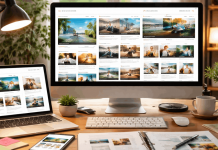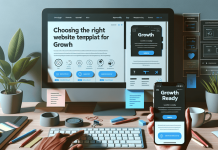

Building a visually appealing and functional website sometimes feels like navigating a maze of complex decisions. If you’re starting a blog, an online store, or showcasing your portfolio, one of your first—and most important—choices is finding a truly responsive website template that fits your needs.
This guide aims to help anyone—from independent creators to small businesses—pick the right template. You’ll learn how responsive design can make or break your site, what features to prioritize, and how to avoid common pitfalls. Plus, you’ll discover tools, resources, and platforms that simplify the whole process.
Why Responsive Website Templates Matter
Let’s pause for a reality check: more than half of all internet traffic comes from mobile devices. A site that only looks good on a desktop may turn potential visitors away. In some cases, that could mean losing a significant chunk of your audience.
And, admittedly, I’ve been frustrated myself when a site just won’t fit my phone screen no matter how much I pinch and zoom.

Mobile-First User Experience
A responsive template automatically adapts your site’s layout to every device—smartphones, tablets, desktops, and everything in between. This improves user engagement and, frankly, just makes browsing more pleasant for everyone.
SEO and Google Ranking
Google places a premium on mobile-friendly, responsive sites. So, if you want to appear higher in search results, responsiveness isn’t optional. While SEO is complex, skipping this step usually means losing ground to better-prepared competitors.

Key Features to Look for in Responsive Templates
Choosing a template is not only about aesthetics. Sure, you want your website to look great, but function and flexibility matter even more. So, what makes a template stand out?
Cross-Device Compatibility
Your template should look sharp on any device. Test demo versions on smartphones, tablets, and desktops. Pay attention to menus, images, and buttons—is everything legible?
Customizability
Templates that seem perfect at first glance might not suit you as your project evolves. Look for options offering drag-and-drop builders or easy-to-edit code, so updates—like swapping colors or sections—are simple.
Page Speed and Optimization
Slow-loading sites turn users away. A good template is lightweight and optimized for fast loading, helping with SEO and keeping visitors happy. Try Google’s PageSpeed Insights on template demos for a quick check.
Support and Updates
This point, I think, sometimes gets overlooked: template creators who provide regular updates ensure better compatibility with new browsers and platforms. Active support can be a lifesaver when unexpected issues arise.
Popular Platforms for Responsive Website Templates
Now for the practical side: where should you look? There are several reputable website builders and template libraries. Each has its advantages depending on your skills and project goals.
Squarespace
Squarespace offers professionally designed templates perfect for portfolios, blogs, and businesses. All templates are fully responsive, and customization is intuitive, even for beginners.
Wix
Wix features an easy drag-and-drop editor with hundreds of responsive templates. It’s great if you want creative freedom without coding.
WordPress (with Elementor or Divi)
WordPress powers a massive chunk of the web. Pairing it with builders like Elementor or Divi allows for endless responsive template options.
Themeforest and TemplateMonster
These marketplaces— Themeforest and TemplateMonster —offer thousands of ready-made templates. They cover everything from landing pages to multi-page sites. Each listing specifies if it’s responsive, but always check reviews and updates.
| Platform | Best For | Price Range |
|---|---|---|
| Squarespace | Portfolios, Small Biz | $$ |
| Wix | Creative Flexibility | $–$$ |
| WordPress | Blogs, E-commerce | Free–$$ |
| Themeforest | Any Niche | $–$$$ |
How to Evaluate a Template Before Committing
It’s tempting to pick something that “just looks great,” but taking a few extra steps can save you time and headaches later on.
- Demo Test: Open the demo site on multiple devices.
- Read Reviews: Others’ feedback tells a lot about potential flaws.
- Check for Updates: Avoid abandoned templates.
- Review Customization Options: Try changing elements, if possible.
- Speed Test: Use tools like GTmetrix.
Sometimes, you might need to return to the drawing board. You realize, for example, that your favorite photography template lacks e-commerce support. Or maybe it just feels awkward on tablets. That’s normal—most people switch once or twice before settling.
Common Mistakes to Avoid
Ignoring Mobile Experience
It’s embarrassing to admit, but I once picked a “responsive” theme that failed miserably on my phone. Always click around the demo thoroughly. Don’t take a developer’s word alone.
Prioritizing Looks Over Functionality
The prettiest template isn’t always the most practical. Think about your future needs. Will you want a blog, shop, or newsletter down the line?
Forgetting Accessibility
A truly great template works for everyone—including visitors with disabilities. Check for contrast ratios, keyboard navigation, and ARIA labels. More sites are prioritizing this nowadays, but it shouldn’t be left to chance.
Tips to Make the Most of Responsive Templates
- Start Simple: Begin with basic layouts, then build up features.
- Check Browser Compatibility: Test in at least two browsers. You’d be surprised at small quirks that pop up.
- Prioritize Content: Clean, readable text and compressed images load faster and keep visitors engaged.
- Add Tracking: Integrate Google Analytics from the start for insights.
Resources for Finding Responsive Templates
The web offers a galaxy of resources. Some top picks include:
- One Page Love – Inspiration and single-page templates
- Colorlib – Free and premium responsive offerings
- HTML5 UP – Beautiful, adaptable HTML5 templates
Legal and Licensing Considerations
Always review template licenses. Some are free for personal use, but require attribution or paid versions for commercial projects. (If you’re unsure, it’s worth contacting the vendor up front.)
Conclusion: Your Next Steps Toward a Responsive Website
Choosing a responsive website template isn’t just a design decision—it shapes your whole web presence. Prioritize usability, ongoing support, and room for growth. Don’t be afraid to spend time testing; thoughtful planning at this stage pays off in visitor satisfaction and site performance.
Want more guidance? Check out our beginner’s guide to website builders or explore responsive WordPress themes . Start experimenting with demos today, and you’ll be on your way to a site that looks great everywhere. Why not take the first step now?