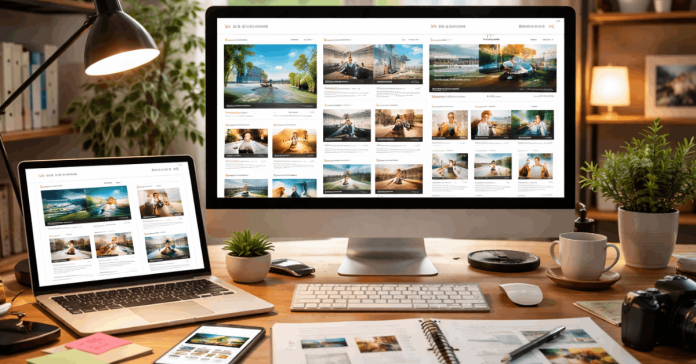
If you’re planning to launch a blog or content-driven site, choosing the right platform and template matters.
The second sentence of this intro includes the keyword: Website Templates for Blogs and Content Sites to help readers searching for the best options.
This article compares Wix and WordPress, focusing on template quality, usability, speed, and long-term value. You’ll learn what fits your needs depending on your content type and growth goals.
Purpose of Templates for Blogging and Content Creation
Templates are more than just design—they define your structure. You need layouts that support frequent publishing, strong visuals, and user navigation.
What Templates Should Deliver?
A good blog template prioritizes your content and layout clarity. It should guide readers through text, media, and categories clearly.

Elements like headers, featured posts, and sidebars should be pre-designed. You shouldn’t have to rearrange everything manually.
Templates save time and maintain visual consistency. That’s why template choice directly impacts user experience from the start.
Needs of a Content-Focused Website
Blogs and content sites need more than just a homepage. They need archive pages, category filters, and media integration.
These templates should also support mobile responsiveness and SEO tags. Long-form writers benefit from distraction-free layouts.
News or magazine sites need visual hierarchy and block-based content presentation. The template must serve the type of content you publish.
Wix Templates: Clean Design, Simple Editing
Wix is known for its drag-and-drop interface. It offers hundreds of ready-to-use templates built for simplicity.
Template Types You’ll Find on Wix
Wix covers most niches with clean, visual templates. You’ll see personal blogs, travel journals, photography sites, and food blogs with prebuilt image blocks.
Each layout has dummy content that’s easy to replace. These templates don’t require code or complex setup.
They load fast, and the editor allows full design control. However, you’re locked into one template after publishing.
Editing, SEO, and Mobile Readiness
Wix templates are built for mobile-first design and automatically adjust layout. SEO tools are available but limited compared to what WordPress offers.
You can edit metadata, alt text, and custom URLs, but deep SEO changes aren’t supported.
The editor allows you to tweak visuals without any coding knowledge. For casual bloggers, Wix is a quick and effective solution.
WordPress Templates: Flexibility for Growth
WordPress powers a massive portion of websites globally. Its templates, or themes, range from starter blogs to high-end magazine layouts.
Categories of WordPress Blog Themes
You can choose between minimal blog layouts, editorial themes, or multi-use templates. Free themes like Astra or Neve are good starting points.
Premium themes like Kadence or Soledad offer layered blocks and responsive modules.
WordPress themes work well with page builders like Elementor or Gutenberg. This gives you more design power without needing a developer.
Customization and Plugin Power
WordPress gives you full control over site design. You can change fonts, colors, layout sections, and more.
With plugins like Yoast or Rank Math, you get advanced SEO management. Adding sliders, featured post grids, or author boxes is simple.
Customization is high—but so is the learning curve. It’s better suited for scalable projects.
Performance and Speed Considerations
Speed affects both your user experience and search ranking. Templates contribute to your site’s overall load time.
Wix Template Speed and Limitations
Wix hosts sites on its own servers and optimizes speed automatically. You can’t access image compression, caching, or other performance settings.
The platform handles these by default, which keeps things stable. However, you can’t disable template elements that slow things down.
If your template has too many animations, you’re stuck with them. This is good for non-technical users, but limits control.
WordPress Performance Control
With WordPress, you manage your own optimization. Using a good theme and host can result in very fast load times.
Plugins for caching, image compression, and lazy loading are widely available. Lightweight themes like Astra improve performance out of the box.
WordPress gives you more power but requires setup and monitoring. It’s ideal if speed is a top priority for your project.
Ease of Use and Setup Time
Some users want visual editing. Others prefer backend control. The setup process impacts how fast you can launch.
Wix: Visual Setup for Beginners
Wix is made for people who want to skip technical steps. You choose a template, edit content, and click publish. No hosting setup, plugin management, or maintenance required.
The editor is 100% visual, with drag-and-drop tools. This makes it great for solo creators and freelancers. It’s fast but less flexible in the long run.
WordPress: Higher Setup, Better Results
WordPress takes time to install and configure. You’ll need to choose a host, install a theme, and add key plugins. This can feel overwhelming at first.
But the result is long-term scalability. You can add advanced features as your blog grows. For committed bloggers, it’s worth the initial effort.
Template Pricing and Platform Cost
Wix and WordPress have very different pricing models. One includes everything. The other lets you pick and choose.
What Wix Templates Cost?
All Wix templates are free once you choose a paid plan. Plans start around $16/month, including hosting and support. You can’t change templates after your site goes live.
That limits future redesign flexibility. However, you’re paying for a complete package. Pricing is predictable and suited for users who want everything bundled.
WordPress Theme and Hosting Costs
WordPress themes range from free to $100+. Hosting costs vary—expect to pay $3 to $10/month for basic plans. You can reuse themes across multiple projects.
It’s more flexible but less centralized. You’ll also need to pay for premium plugins or support, depending on needs. For advanced users, WordPress is often cheaper long-term.
Two Use Cases for Choosing Right
The platform you pick depends on your content goals. Here’s where each option works best.
When Wix Makes More Sense?
Wix is ideal if you want a fast, polished site with minimal effort. It works well for personal blogs, creators, or freelancers who want to publish without coding.
You don’t need to learn about hosting, themes, or updates. It’s perfect if you want to launch in a day. You give up control—but gain ease and speed.
When WordPress Is the Better Fit?
WordPress fits users who want depth and control. It’s best for bloggers aiming to grow traffic, add features, or monetize.
It supports content organization, SEO, plugins, and detailed design control. While setup is harder, the payoff is greater. You’re in control of every element, from structure to performance.
Recommended Templates Worth Exploring
Here are templates that consistently perform well. Each suits different blogging needs.
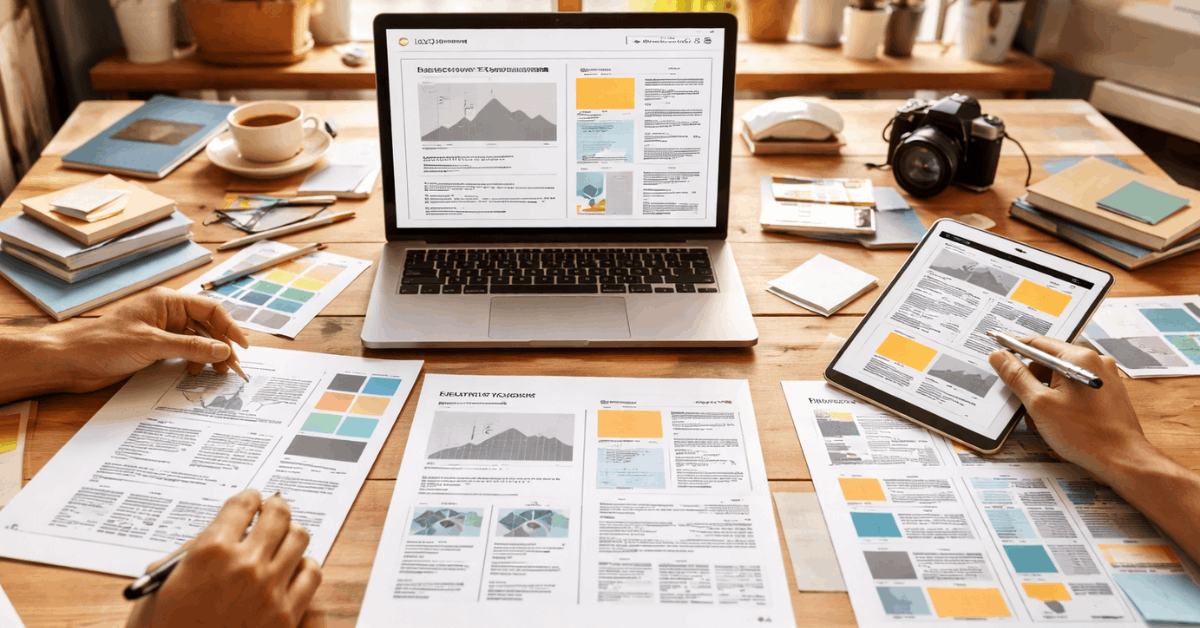
- Personal Blog – focused on text with clean headings and white space
- Food Blog – image-heavy with sections for recipes and reviews
- Tech News – highlights trending posts with sliders and article grids
These are great for beginners needing visual balance and clear structure. They’re also mobile-ready and easy to customize.
Top WordPress Themes for Bloggers
- Astra – lightweight, modular, and beginner-friendly
- Kadence – flexible with Gutenberg blocks and style presets
- Soledad – visually rich with grid layouts for magazine-style blogs
All three offer strong SEO structures and responsive design. They support custom headers, footers, and page templates.
Making the Right Template Choice
Your final decision depends on your workflow and future plans. Both platforms offer quality, but in different ways.
Two Key Questions to Ask
Do you want visual simplicity or total control? Are you building for yourself—or building to grow?
If you’re not sure, start with your content goals. The right platform supports how you plan to publish, promote, and expand your blog.
A Smarter Path to Building Your Site
If you’re deciding between Wix and WordPress, focus on what supports your content best. The keyword Website Templates for Blogs and Content Sites defines what you need: design that works for real writing, visuals, and publishing.
Wix is fast and visual; WordPress is powerful and scalable. Choose what matches your goals—then publish with confidence.