

In the world of web design and online projects , templates are everywhere. Whether you’re using a website builder, launching a blog, or experimenting with no-code solutions, templates play a big role in shaping how visitors interact with your site. But how much do templates actually impact user experience (UX)? And what should you really consider before hitting ‘activate’ on that new design?
Why Templates Matter in Website Creation
Templates are basically the foundation of most modern websites. They provide pre-made layouts, consistent design elements, and often set the tone for your entire project.
For many, this means a quicker start and less time spent tinkering with code. For others, especially those looking to stand out, templates might feel limiting—almost like painting by numbers.
How Templates Influence User Experience
The user experience is at the heart of a website’s success. It impacts everything from bounce rates to conversion and user retention.
Templates, for better or worse, define a bulk of the user’s journey. Let’s dig into the main ways templates affect UX and what you might need to consider before choosing one for your site or project.

1. Consistency and Predictability
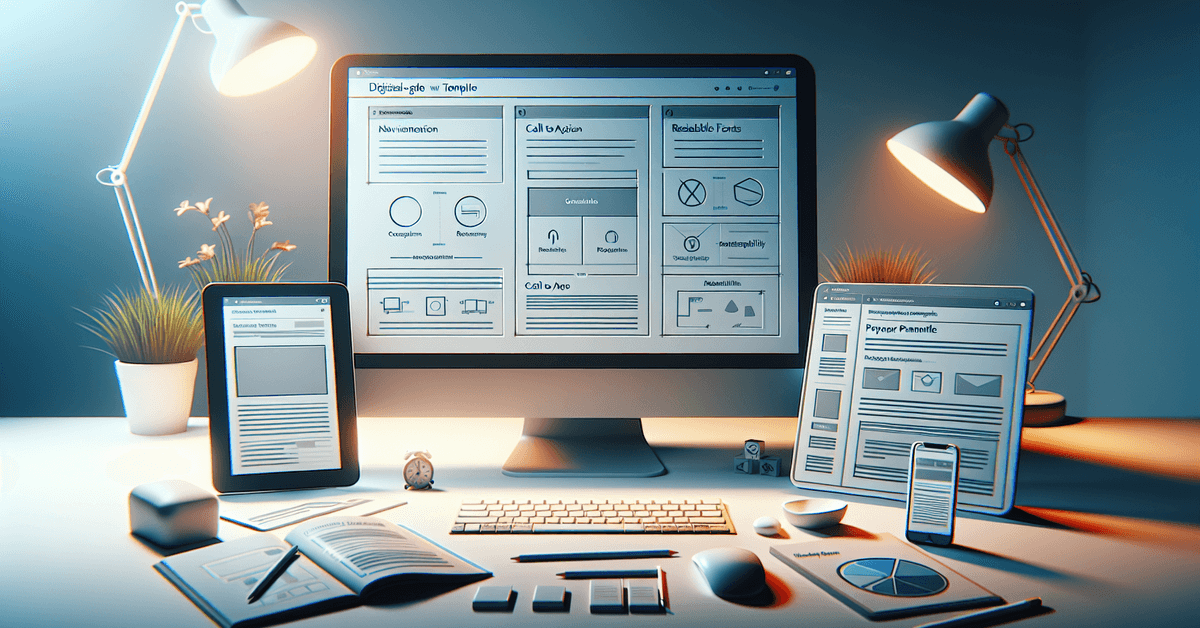
Most templates are built with usability in mind. That means navigation menus, call-to-action buttons, and content sections are put where users expect them to be. This familiarity is comforting and can actually reduce friction for users (think of the classic blog layout or e-commerce shop design).
But here’s a thought: does this make every website start to feel the same? Maybe. And for some, that’s just fine, while others might wish for a spark of originality.
2. Better Responsiveness, Often by Default
Modern templates are typically designed to be responsive , so your website looks good across devices. This is a real win for user experience—nothing’s more frustrating than squinting at tiny text on a phone.
Templates take the headache out of responsive design, at least for most basic layouts. Still, not every template handles all edge cases, so always test thoroughly on different screens.
3. Speed of Launch vs. Customization Needs
Templates can get a website off the ground fast. If you’re building for clients or working on a tight deadline, this matters. But, a quick launch sometimes means settling for out-of-the-box features.
Customizing a template—changing fonts, moving blocks, adding integrations—can sometimes actually take longer than starting from scratch if the template isn’t flexible. That’s something to keep in mind if you have very specific design or functionality goals.
4. Accessibility Standards
Many popular templates come optimized for accessibility. That includes readable font choices, correct heading hierarchies, and good color contrasts. Still, not every template meets best practices for all users.
For example, a menu that works fine with a mouse may be clunky for keyboard navigation. Always test the accessibility, even if a template claims to be “ADA-compliant.” It might be close, but it’s rarely flawless out of the box.
Choosing the Right Template: What Matters Most?
Picking a template isn’t just about what looks good. Here are some key factors to consider, especially if you care about your users’ experience and your site’s long-term performance:
- Load Speed: Heavy templates cluttered with scripts and large images can slow down your site. Speed impacts SEO and user satisfaction.
- Customization Options: Can you tweak layout, color palette, and fonts without code? Or do small changes require advanced skills?
- SEO-Friendliness: Look for templates with clean HTML, logical heading structure, and support for meta tags and schema.
- Support & Updates: Are you choosing a template with ongoing developer support? Outdated templates can create security or compatibility issues.
Personally, I’ve seen too many projects grind to a halt over template choices. It’s rarely about not finding something good—usually, there’s just too much to choose from.
The “paradox of choice” is real in the template market, to the point I sometimes feel paralyzed scrolling through endless options.
Popular Template Platforms and Their Approach to UX
Different website builders and platforms offer unique perspectives on templates. Let’s take a quick look at some common examples and link out to some well-known resources for readers interested in digging deeper:
| Platform | Template Library Size | Customizability | UX Focus |
|---|---|---|---|
| Wix | 800+ | High (drag-and-drop) | Beginner-friendly, good mobile previews |
| Squarespace | 100+ | Moderate to High | Visually stunning, strong brand focus |
| ThemeForest (WordPress) | 10,000+ | Very high (code-level possible) | Varies—best for pros, huge range in quality |
| Webflow | 1,000+ | Very high (designer-grade) | UX-centric, advanced animations |
Curious about more platforms? Our best platforms for websites overview can help narrow your pick.
Template Limitations: When One-Size Doesn’t Fit All
No matter how polished, templates have some constraints. Sometimes, you hit a wall in terms of customization. Or, worse, you end up with “template fatigue” where every site in your niche feels eerily similar.
That’s not great for branding or for users seeking something fresh. Occasionally, I wonder if we’ve reached a saturation point—too much of the “same good thing,” if you know what I mean.
Common Pitfalls to Watch For
- Overuse of stock imagery that doesn’t connect with your message or audience
- Hidden code bloat that drags down performance
- Poor accessibility defaults , even in templates billed as accessible
- Generic CTAs (e.g., “Learn More”) that don’t inspire action
Optimizing Templates for Better UX and Monetization
Let’s say you’ve picked a template that’s nearly right, but needs a few tweaks to be truly effective—both for your users and for monetization, like with Google AdSense. Here are some practical ideas:
- Personalize images and iconography to better reflect your brand.
- Edit navigation and menus to be as concise and clear as possible.
- Add clear headings and subheadings for easy scanning.
- Place ads thoughtfully —avoid intrusive overlays; go for clean sidebar or in-content ad units that align with natural reading flow.
- Test multiple layouts (A/B testing) to find what works best for your audience’s behavior.
For more on making money from your site, our Beginner’s Guide to AdSense covers the basics with simple strategies.
Design Trends: Are Templates Keeping Up?
Design trends shift quickly, from minimalism to playful micro-interactions or dark themes. Good template libraries update regularly, but some don’t. Using an outdated template can make your brand look “behind” even if your content is solid.
Look at templates that offer new features—like support for video backgrounds, dynamic content blocks, or built-in integrations. Is it necessary to always use the shiniest features? Not really, but I find that staying current, even in small ways, tells users you’re invested in their experience.
Final Thoughts: Balancing Speed, Uniqueness, and UX
Templates have changed how websites get built, offering rapid launch and a backbone of proven UX design. Yet, they’re not a complete solution—especially for brands or projects that need something just a little different. Most users appreciate familiarity and consistency, but won’t remember your site unless you add something unique.
If you’re just getting started, templates are usually the fastest route to a professional site. Just don’t settle for the default everything. Adjust. Test. Get feedback from friends, customers, or real users. And be ready to switch things up if your analytics show users struggling with something as simple as your navigation.
Ready to create a standout website? Browse our handpicked web template library or read our tips on customizing your website template for better user engagement. One good template choice can spark a great online journey—for you and everyone who visits.